Inside The NanoBreak Project

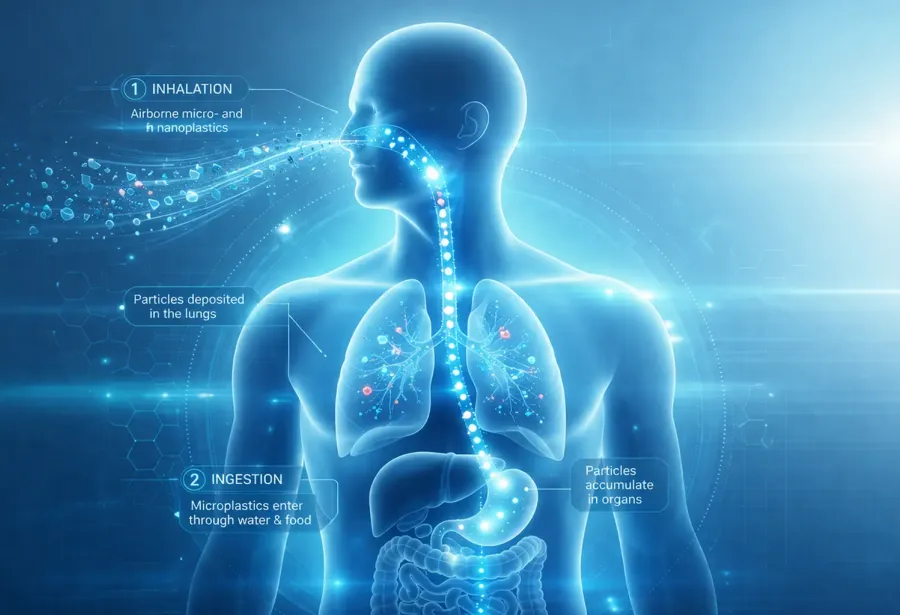
We study environmentally aged nanoplastics to understand their real-world composition and biological impact. NanoBreak combines realistic environmental materials, advanced human-relevant models and cutting-edge analytical tools to assess exposure pathways and health risks.

The Problem

Plastic pollution has become a global threat to ecosystems and human health. Beyond visible microplastics, there are even smaller particles nanoplastics.

This lack of knowledge limits our ability to assess real-world risks and to design effective policies to protect human health and the environment.
Global scale

A global threat

Plastic pollution has become a global threat to ecosystems and human health, affecting every continent and every level of the food chain.

Below 100 nm

Below detection

Beyond visible microplastics, even smaller particles — nanoplastics — fall under the limits of conventional analytical techniques (NPs < 100 nm).

Cellular scale

Inside our cells

Due to their size, nanoplastics cross biological barriers and accumulate in key organs such as the liver or the brain, interacting with proteins, lipids and DNA.

PROJECT INFO

ARIS STRATEGIC PROJECTS / GRAVITACIJA CALL 2024, PROJECT Nº 25-ARIS-STRP-01

FUNDING BY

SLOVENIAN RESEARCH AND INNOVATION AGENCY (ARIS)

FELLOW

MARTA SENDRA VEGA
NIB (SLOVENIA)

AMOUNT FUNDING

2.500.000€

PROJECT DURATION

5 YEARS

Research Objectives

RO1 · Research Objective

Metabolites & degradation pathways

Identification of metabolites and degradation pathways using spatial imaging; expanding knowledge about the biochemistry of leachates.

RO2 · Research Objective

Transcriptomic maps

Generation of transcriptomic maps associated with adaptive capacity and resilience.

RO3 · Research Objective

Epigenetic & transgenerational damage

Identification of critical pathways for epigenetic and transgenerational damage.

RO4 · Research Objective

Predictive toxicology framework

Development of predictive toxicology frameworks linking eNP exposure to potential non-communicable diseases.

Specific Objectives

SO1 · Specific Objective

Transformation in biological systems

To investigate the transformation, degradation, and metabolism of eNPs and their leachates in biological systems.

SO2 · Specific Objective

Adaptive & resilient capacity

To assess the adaptive and resilient capacity under eNP and leachate exposure, considering intraspecific variability.

SO3 · Specific Objective

Zebrafish epigenetic modifications

To study epigenetic and transgenerational modifications during the early developmental stage of zebrafish induced by eNPs exposure.

SO4 · Specific Objective

Comparative toxicology integration

To integrate findings across zebrafish embryo and liver organoids for comparative toxicology induced by eNPs exposure.

WORK PROGRAMME ORGANIZATION

WP1Production and physico-chemical characterization of eNPs and its leachates
WP Leader: Martina Štampar, PhD · Co-leader: Matjaž Novak, PhD
  • Selection of sampling locations and sampling
  • Classification and characterisation of eMPs
  • eNPs production from eMPs
  • Leachates production from eMPs and characterisation
Activity · collaboration

Production and physico-chemical characterization with the University of Cádiz (Spain). The environmentally derived nanoplastics and leachates used across NanoBreak are produced and characterized together with our foreign collaborators at the University of Cádiz, Prof. Pilar Yeste and Marina Pintado-Herrera, PhD.

WP2Innovative experimental models to support 3R principles
WP Leader: Prof. Bojana Žegura · Co-leader: Katja Kološa, PhD
  • Advancing human liver organoids from hiPSCs as a platform for eNP toxicity studies
  • Zebrafish embryos to unveil the impact of eNPs
  • Models for induced liver injury in h-LO and zebrafish embryos to study resilience to eNPs exposure
Activity · scientific stay

Scientific stay at CelVivo facilities (Denmark). Katja Kološa, PhD and Marta Sendra, PhD worked on organoid culture, experimental set-up, treatments and real-time observation, combining careful sample preparation with microscopy and hands-on laboratory work using CelVivo bioreactor technology.

WP3High-Resolution Analysis of eNPs Interactions, Transformations, and Fate in Biological Systems
WP Leader: Alja Štern, PhD · Co-leader: Matjaž Novak, PhD
  • Integrated Raman spectroscopy and NanoSIMS characterization of eNPs’ molecular interactions in biological systems
  • Investigating biomolecular interactions and toxicological impacts of eNPs
WP4A spatial multi-omics approach to investigate the impact of eNPs in Human Liver Organoids and Zebrafish Embryos
WP Leader: Marta Sendra, PhD · Co-leader: Alja Štern, PhD
  • Unravelling metabolic shifts — spatial metabolomics of eNPs effects in h-LO and zebrafish embryos
  • Decoding transcriptomic changes — spatial transcriptomics of eNPs effects in h-LO and zebrafish embryos
  • Mapping epigenetic changes — spatial epigenomics of eNPs effects in h-LO and zebrafish embryos
  • Development of a pipeline for integrating metabolomic, transcriptomic, and epigenomic data to uncover comprehensive responses to eNPs
WP5Management and Coordination
WP Leader: Marta Sendra, PhD
  • Administrative and Financial Management
  • Scientific and Technical Management
WP6Dissemination, Exploitation and Communication
WP Leader: Katja Kološa, PhD · Co-leader: Prof. Bojana Žegura & Martina Štampar, PhD
  • Dissemination, Exploitation and Communication (DE&C) Strategy
  • Data Management Plan
  • IPR Management
  • Monitoring and Evaluation of DE&C Activities

Work Programme Diagram

Work package
Year 1Year 2Year 3Year 4Year 5
WP1Production & physico-chemical characterization of eNPs and leachatesLead: Martina Štampar · Co-lead: Matjaž Novak
M1–M20
WP2Innovative experimental models supporting 3R principlesLead: Prof. Bojana Žegura · Co-lead: Katja Kološa
M6–M56
WP3High-resolution analysis of eNPs interactions, transformations & fateLead: Alja Štern · Co-lead: Matjaž Novak
M16–M56
WP4Spatial multi-omics in human liver organoids & zebrafish embryosLead: Marta Sendra · Co-lead: Alja Štern
M26–M58
WP5Management and coordinationMarta Sendra — supported by NIB & GEN Project Office
M1–M60
WP6Dissemination, exploitation and communicationLead: Katja Kološa · Co-lead: Bojana Žegura & Martina Štampar
M1–M60
Research work packagesTransversal, running the full 60 monthsJuly 2025 – June 2030

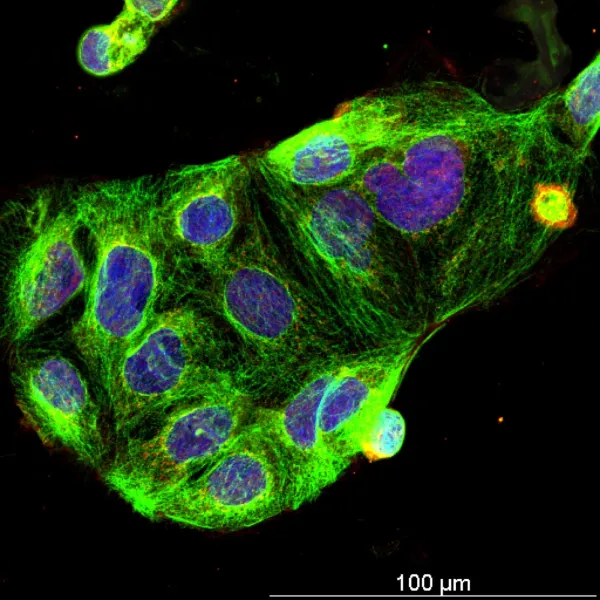
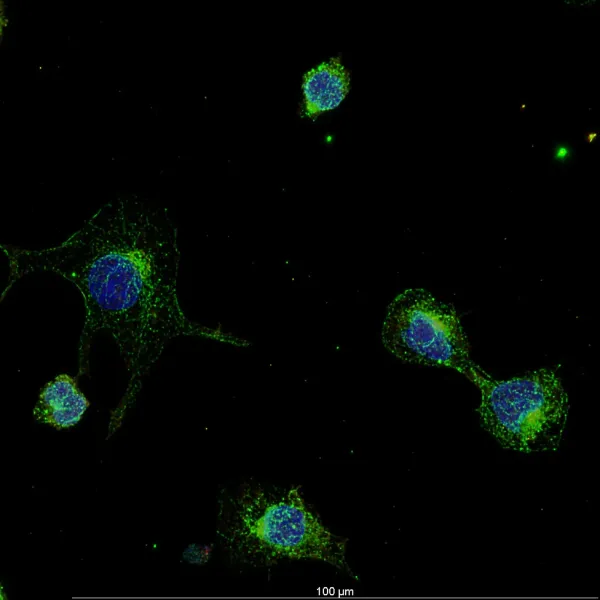
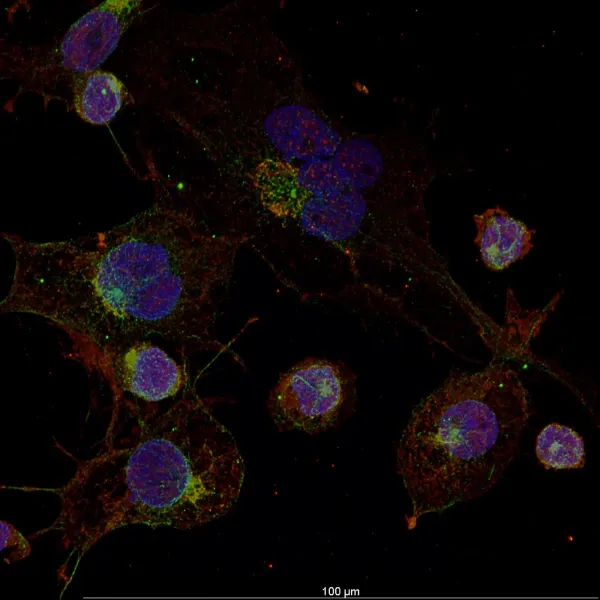
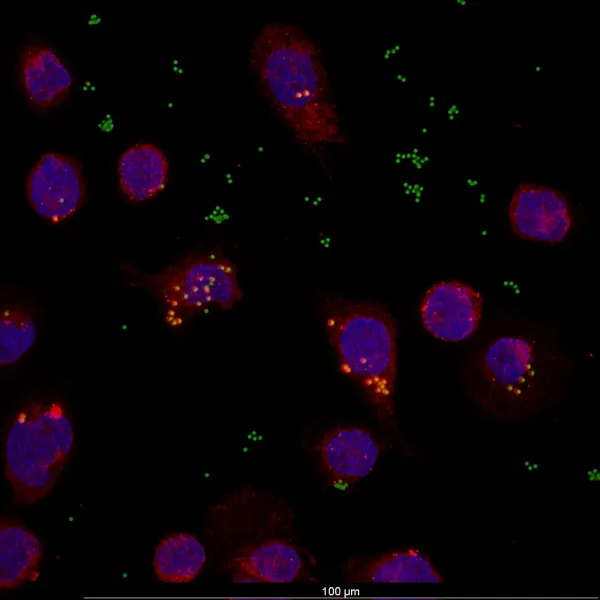
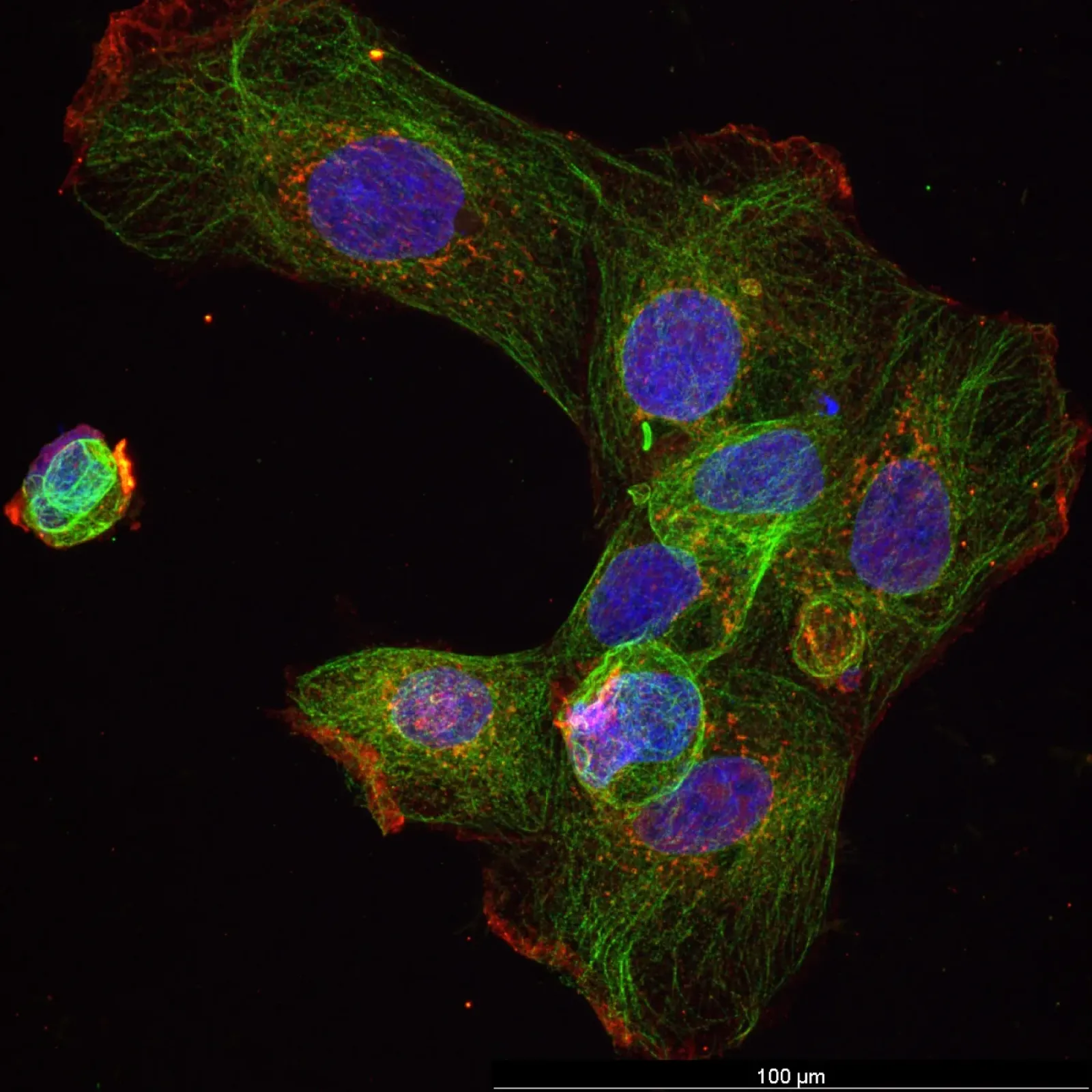
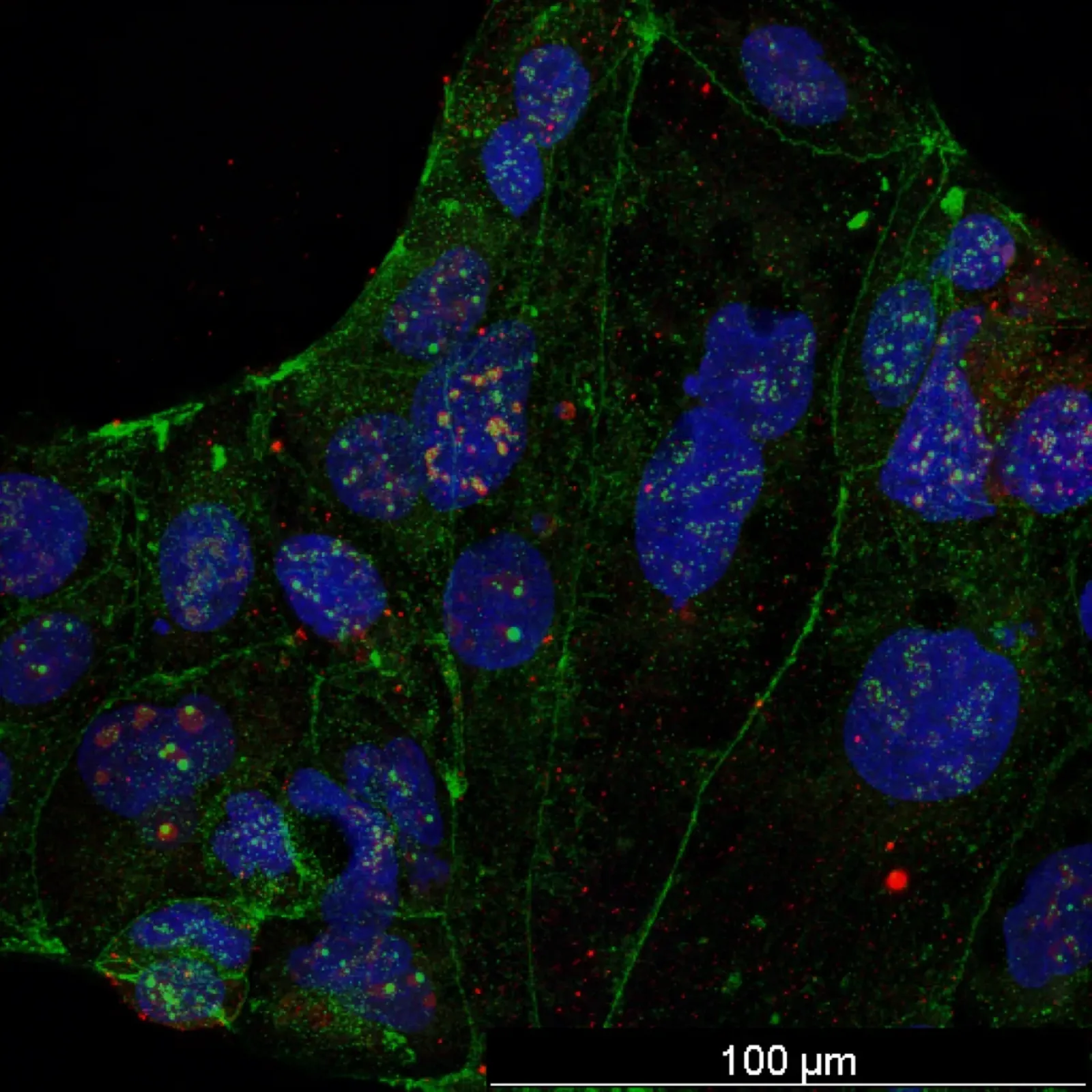
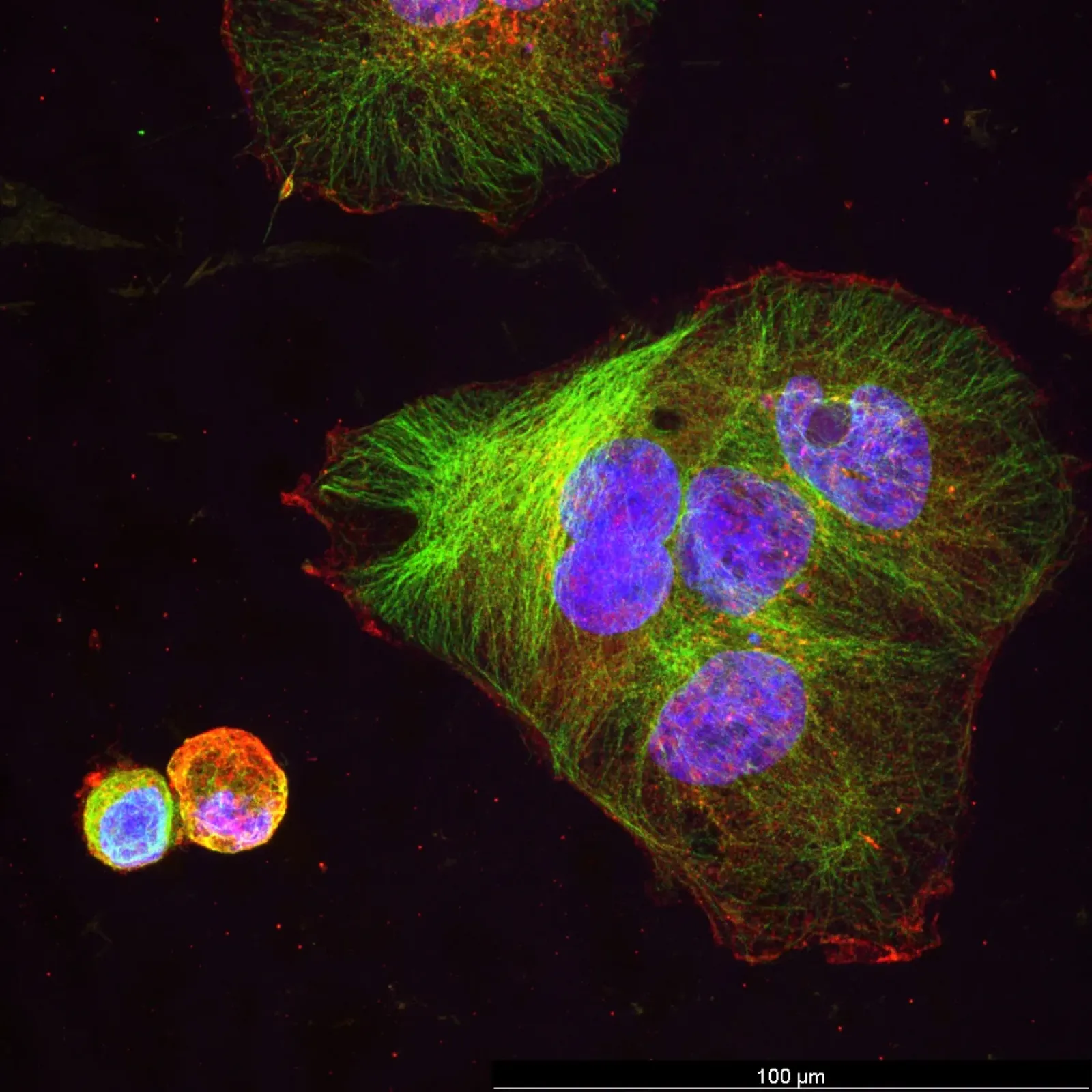
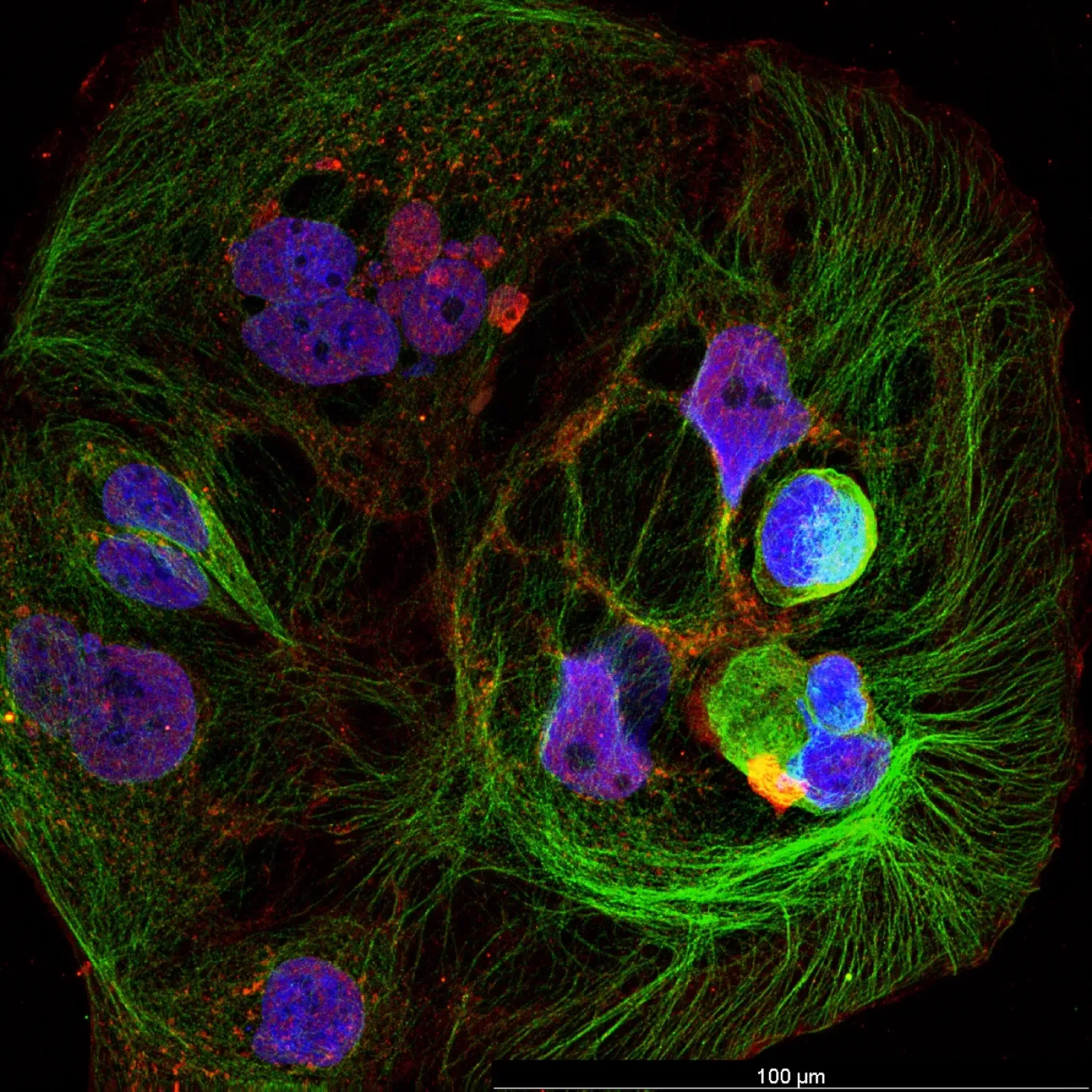
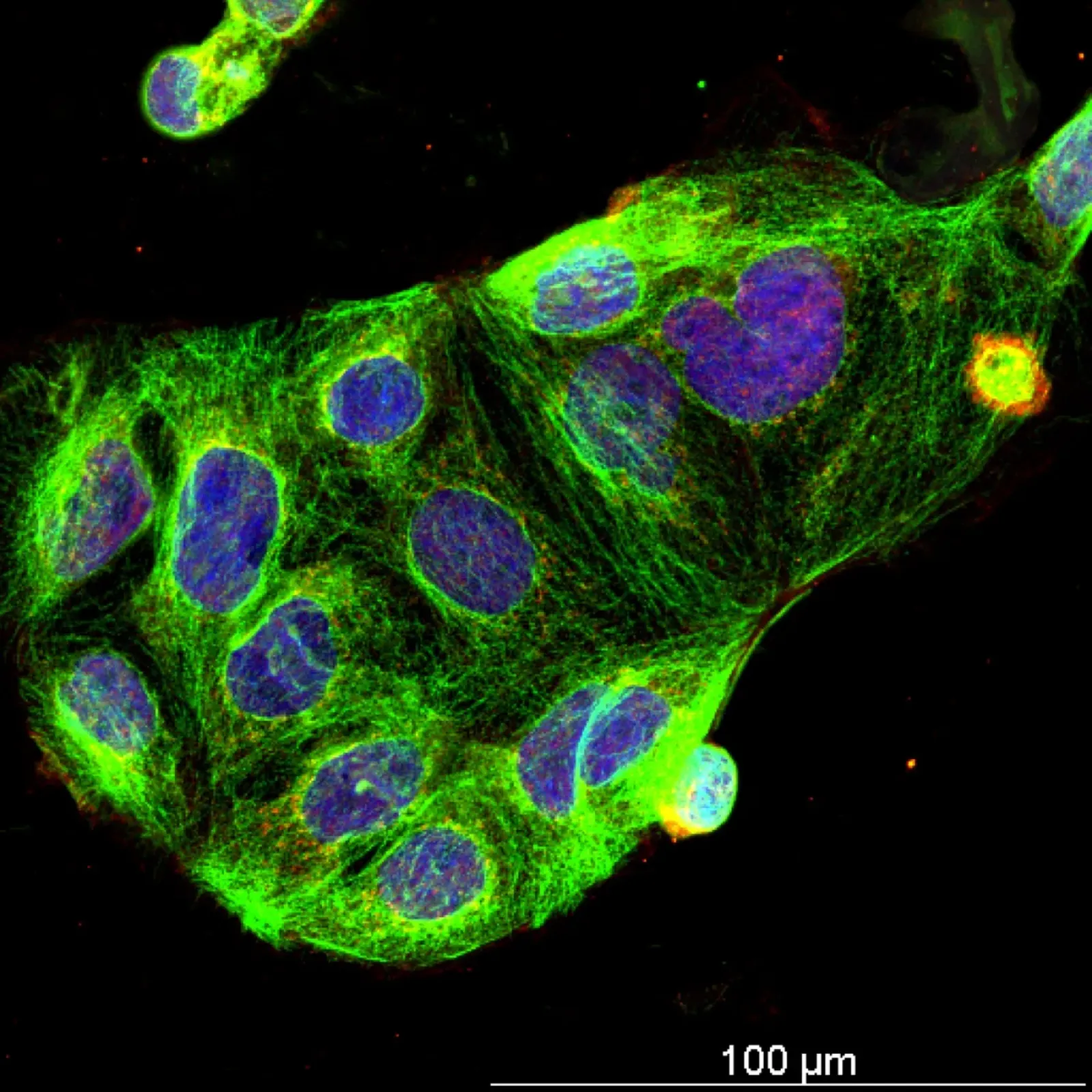
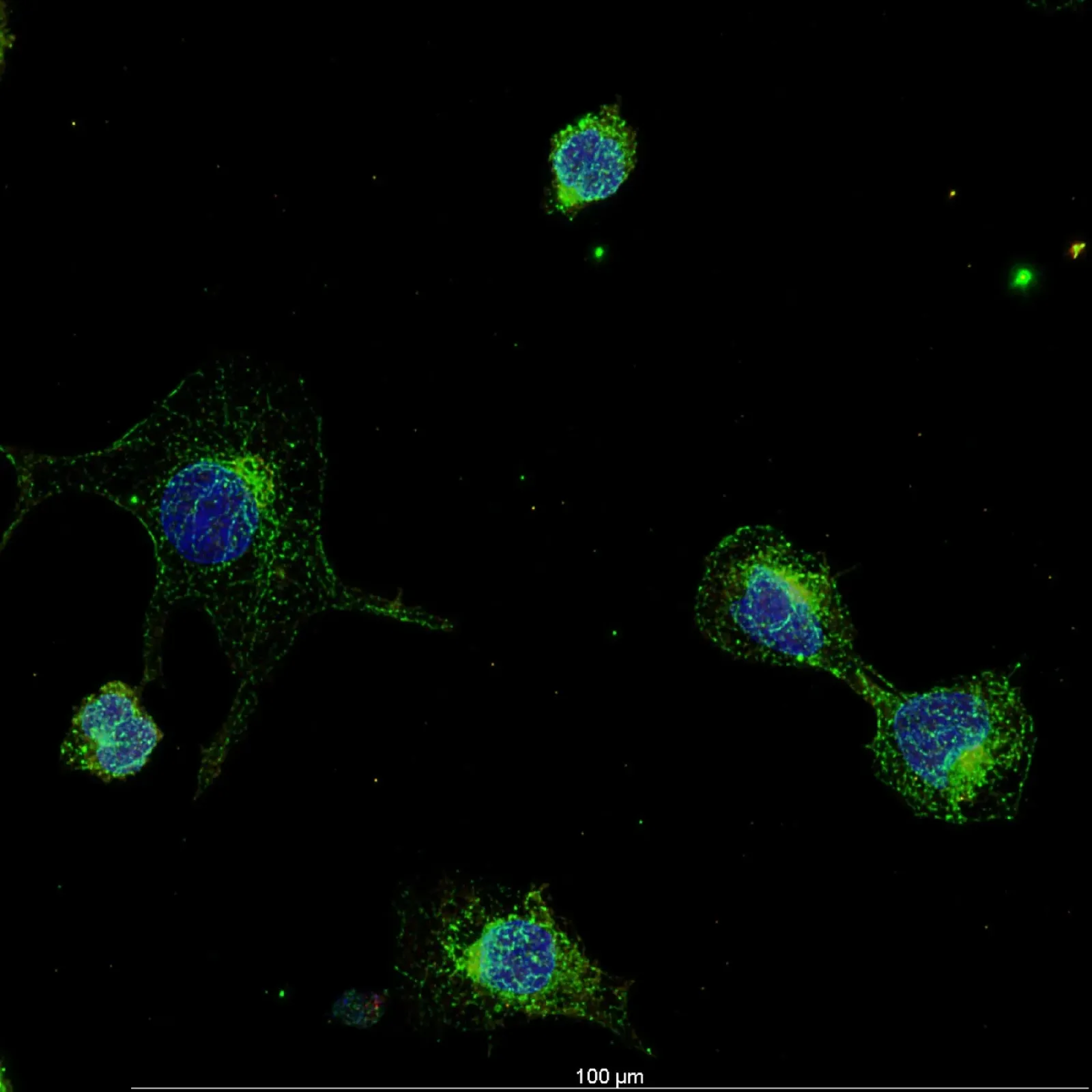
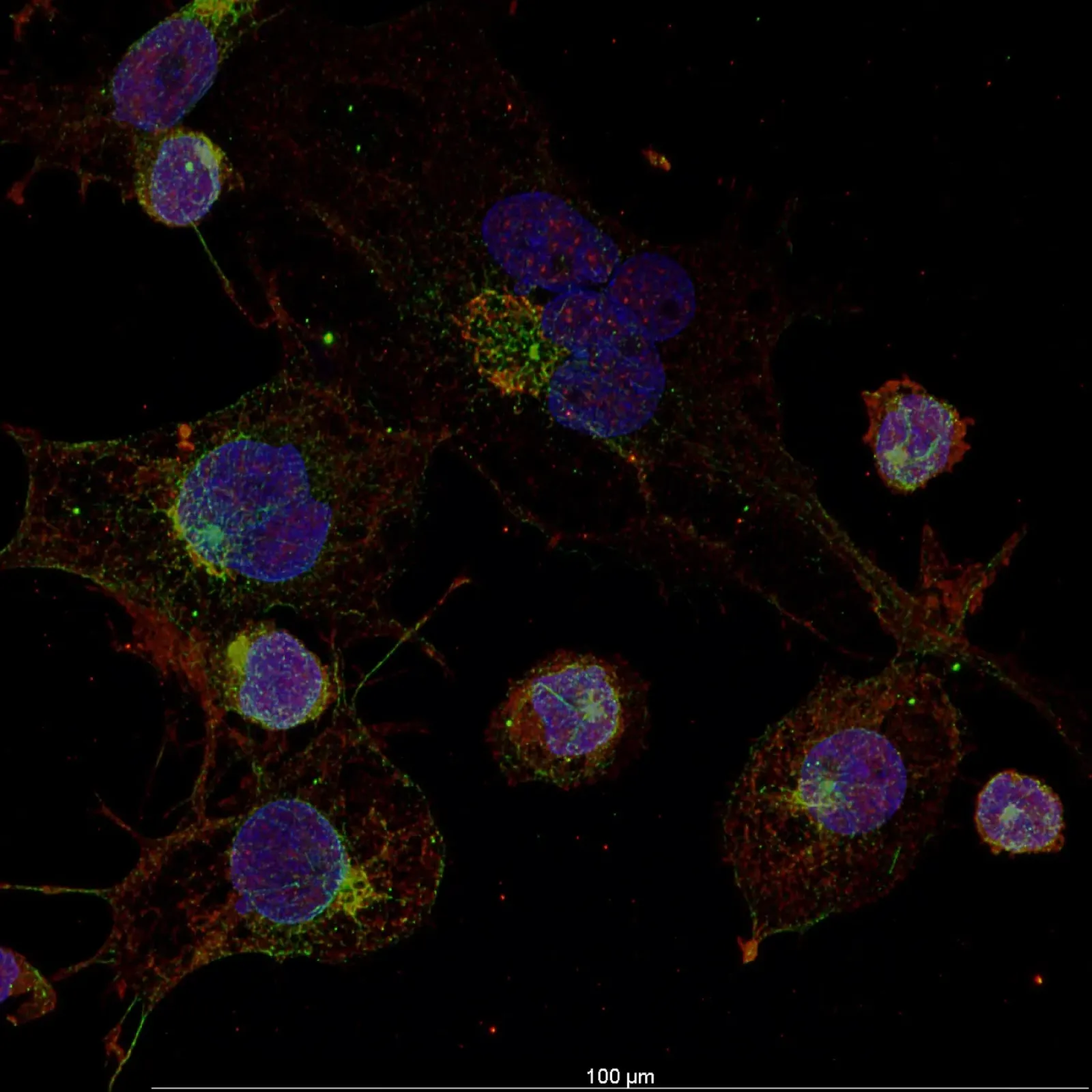
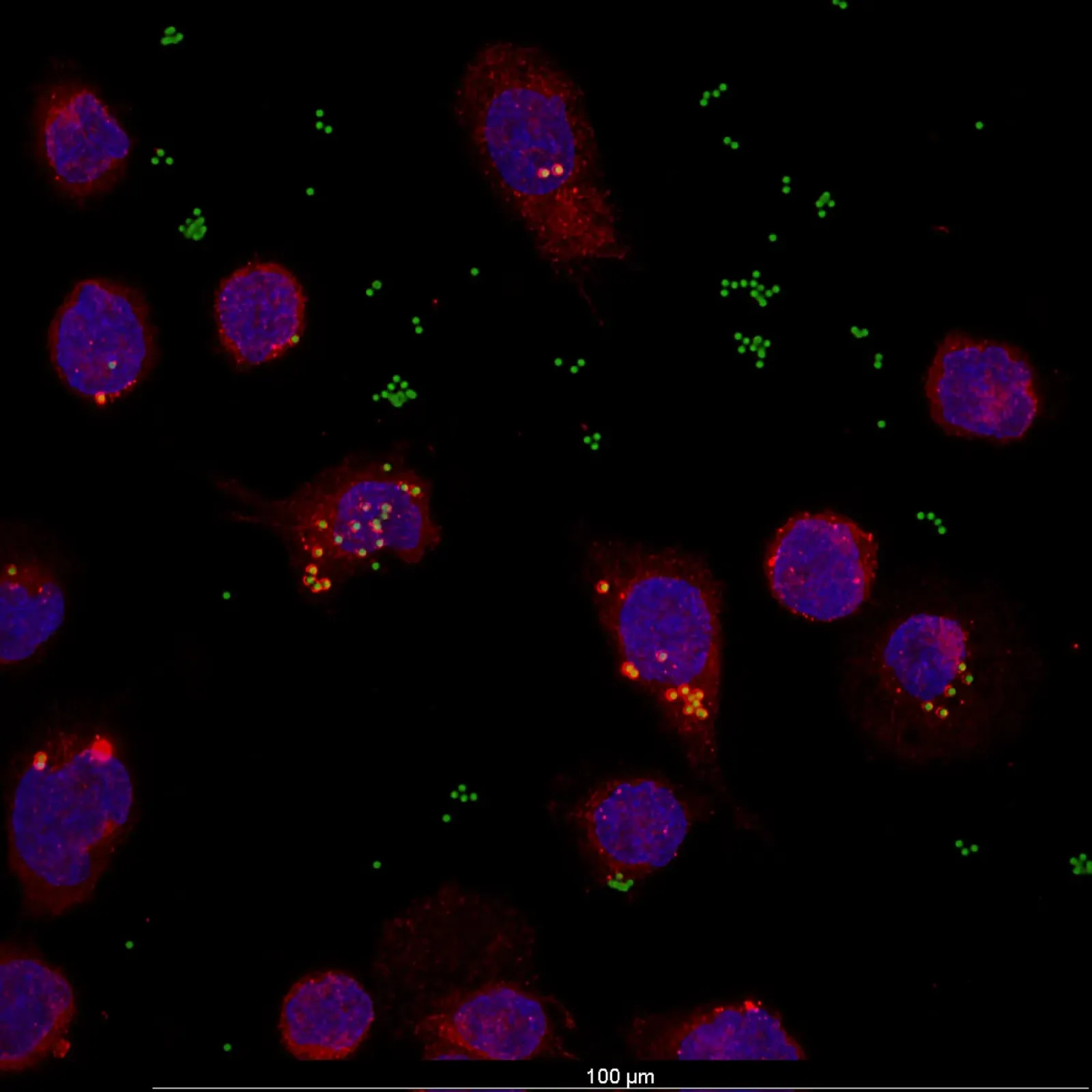
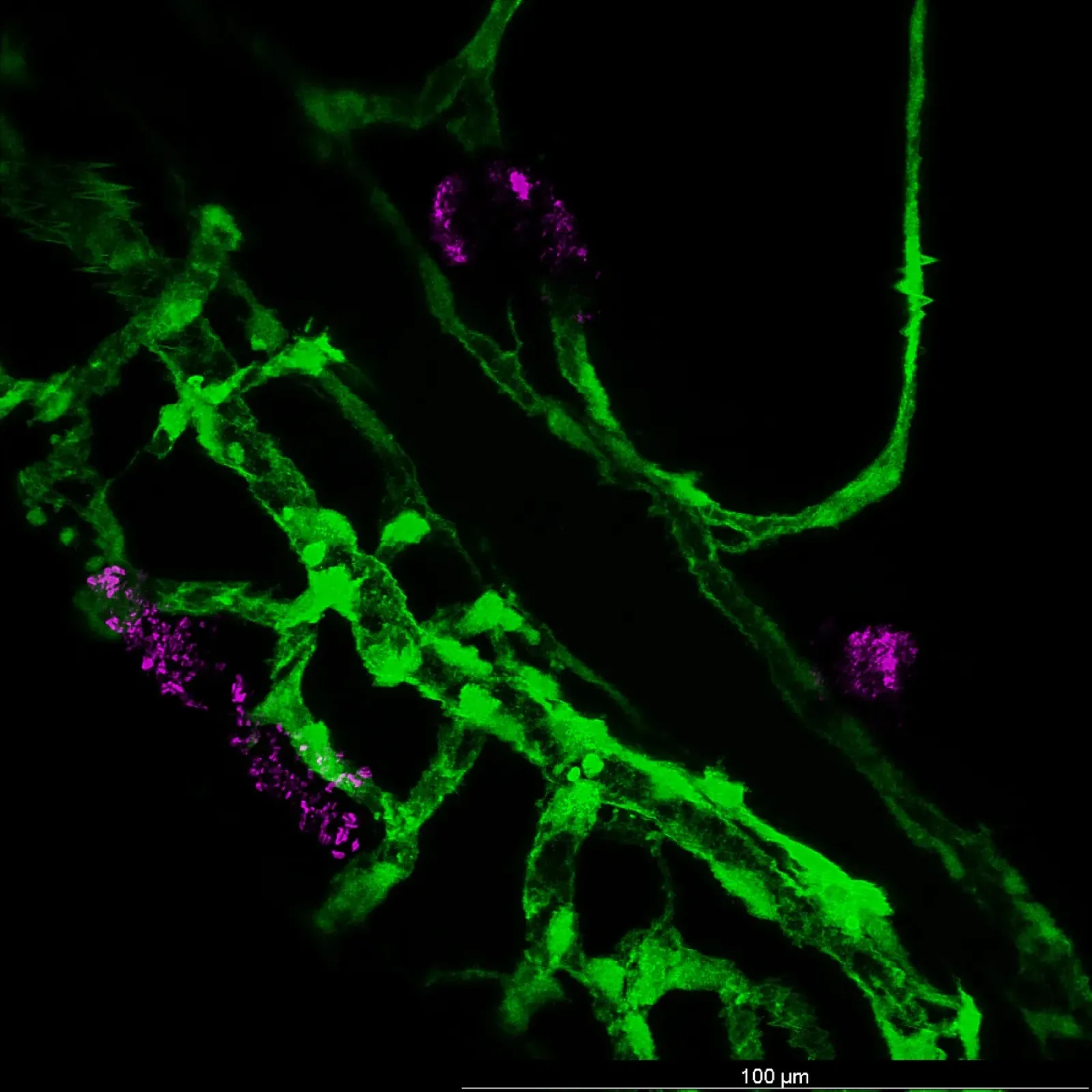
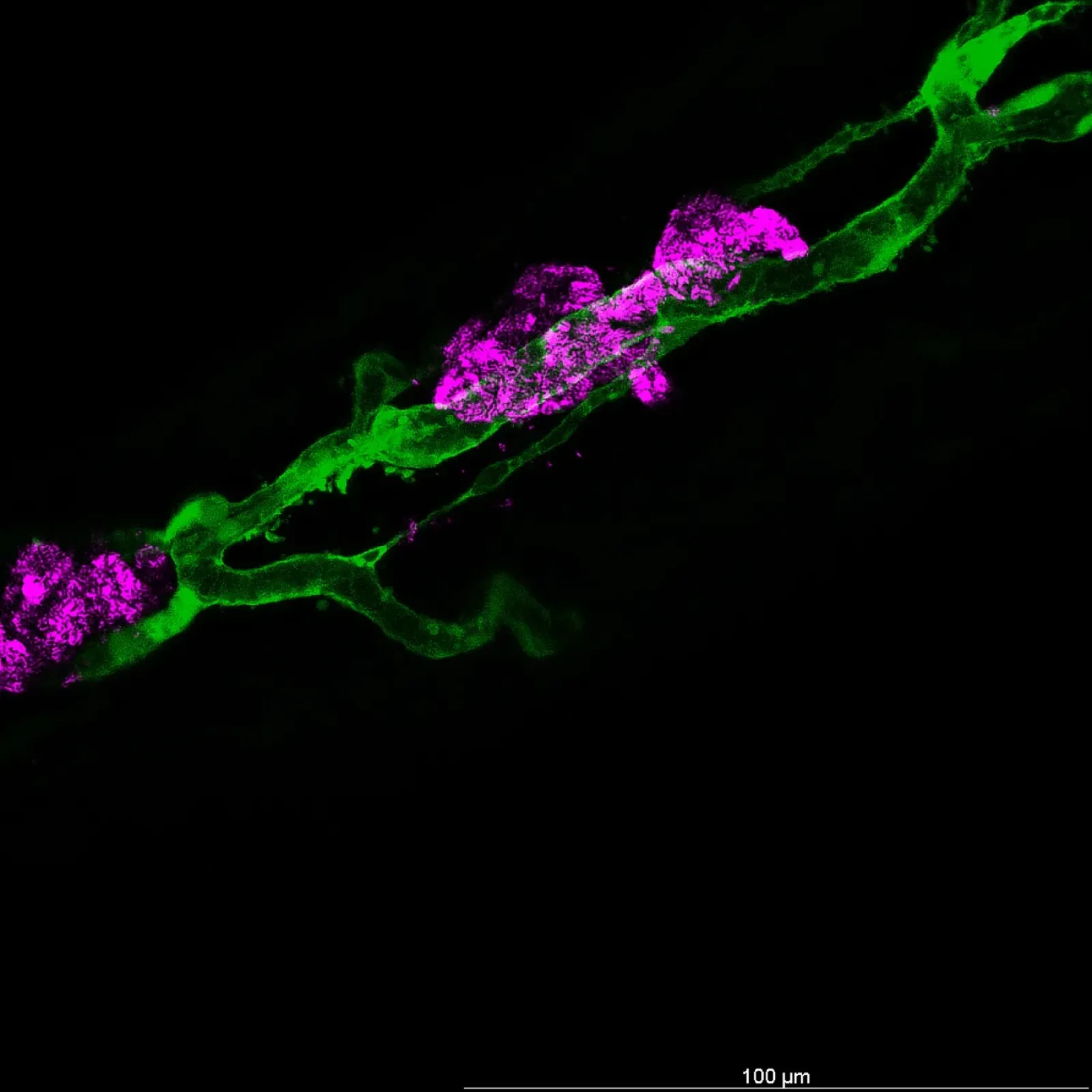
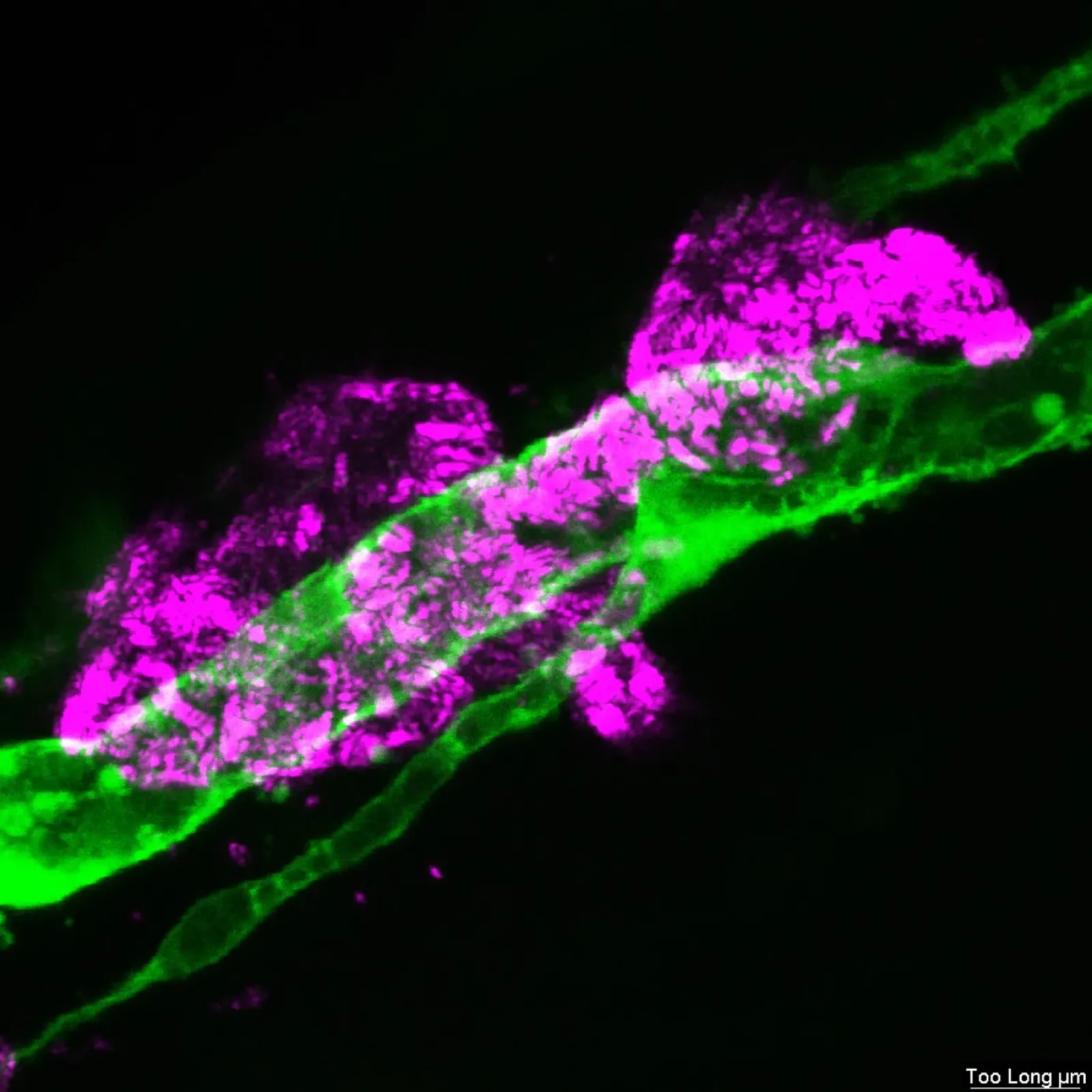
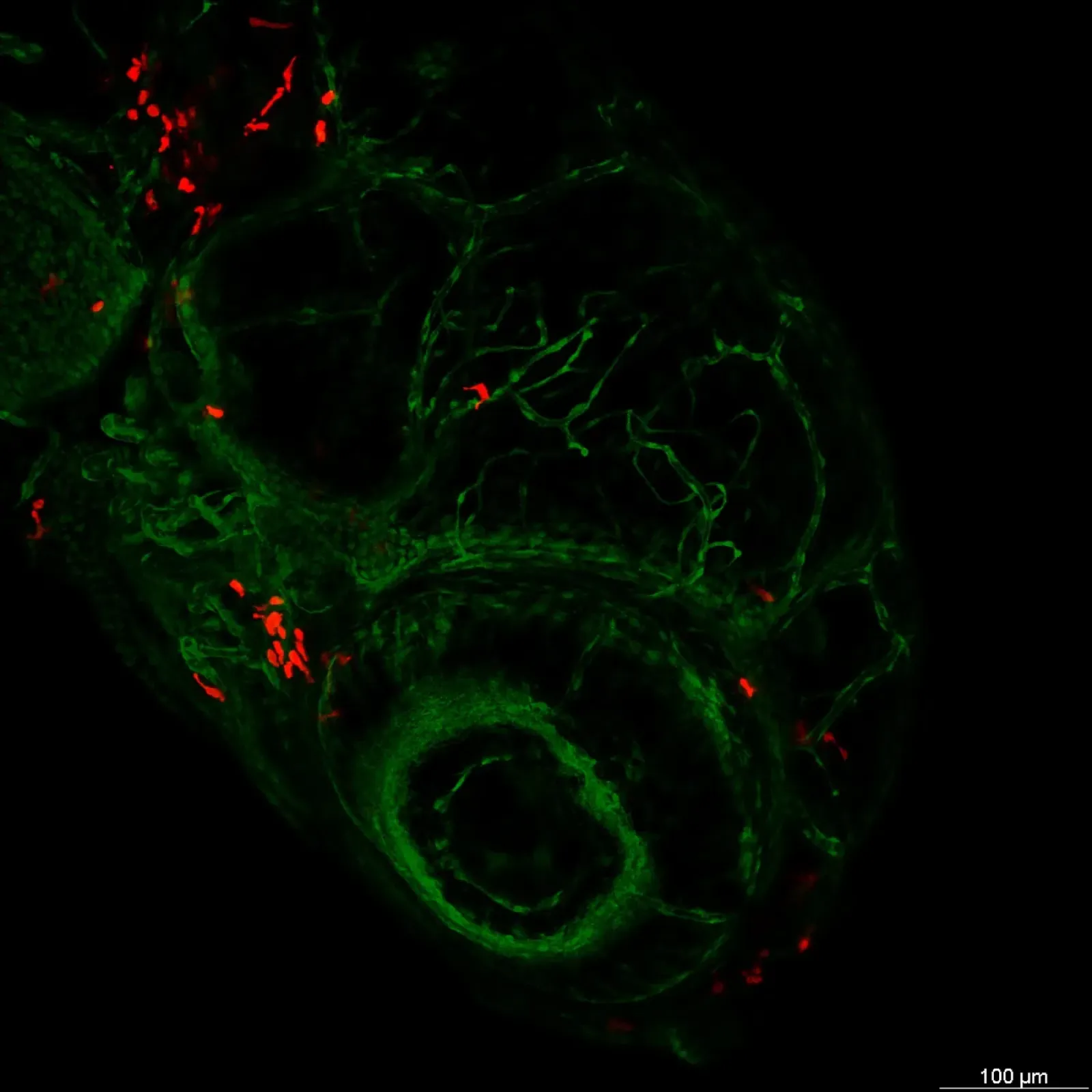
IMAGING THE INVISIBLE

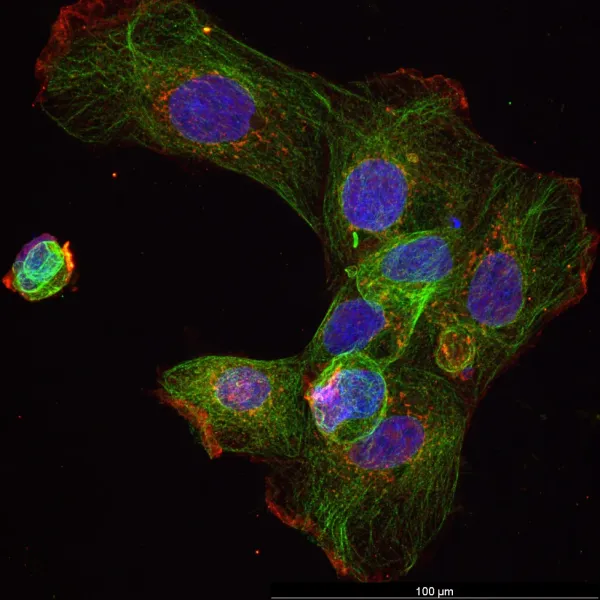
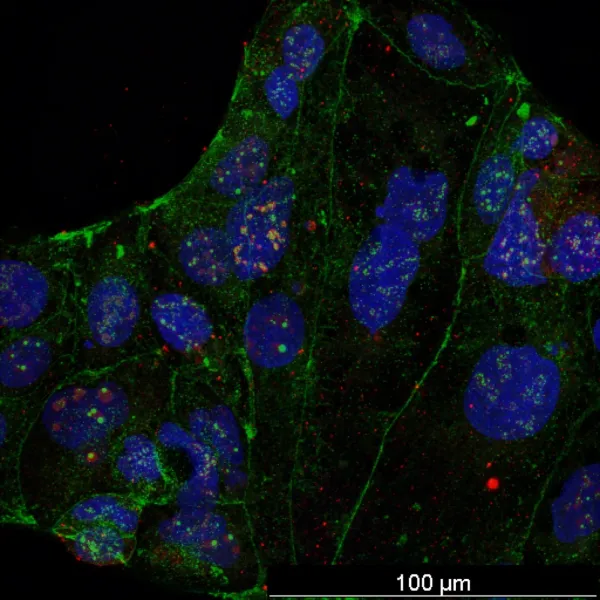
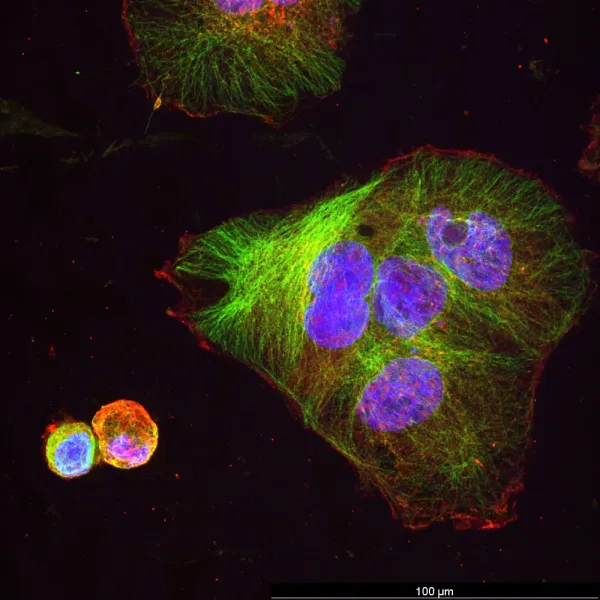
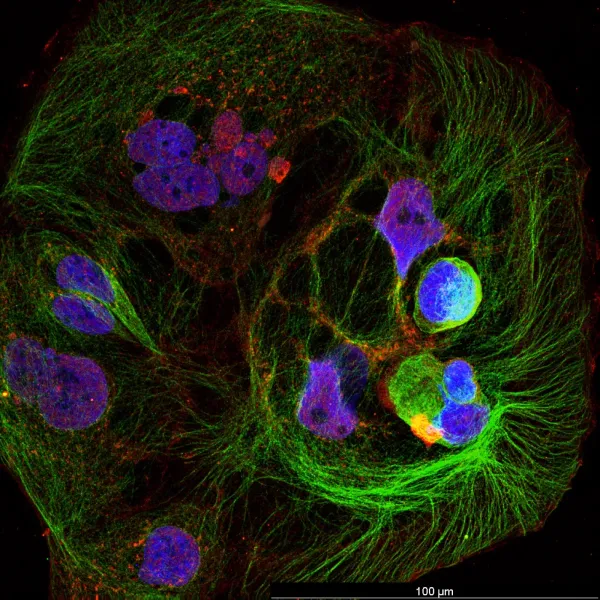
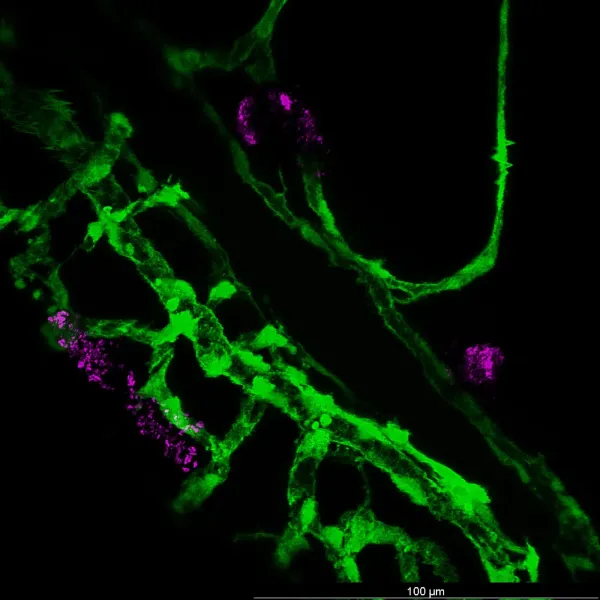
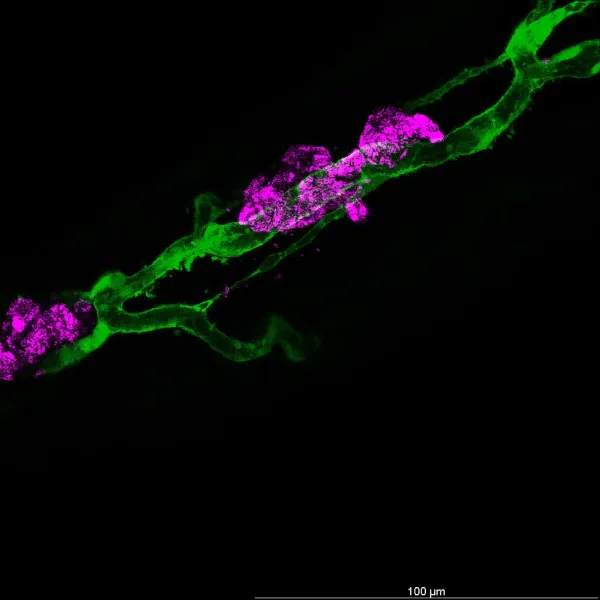
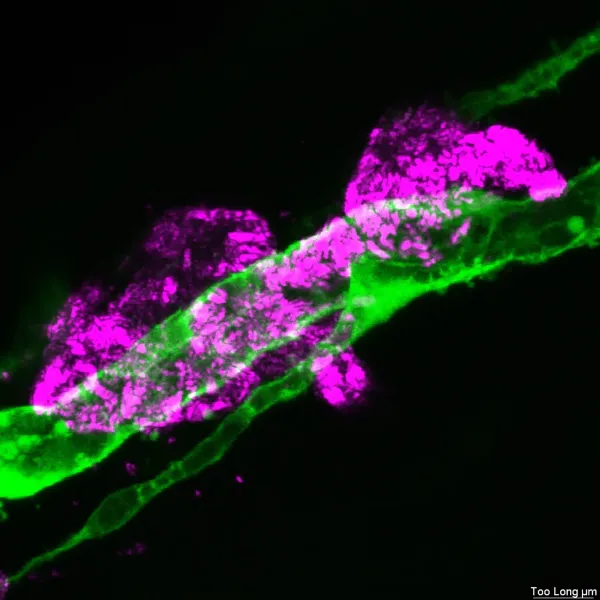
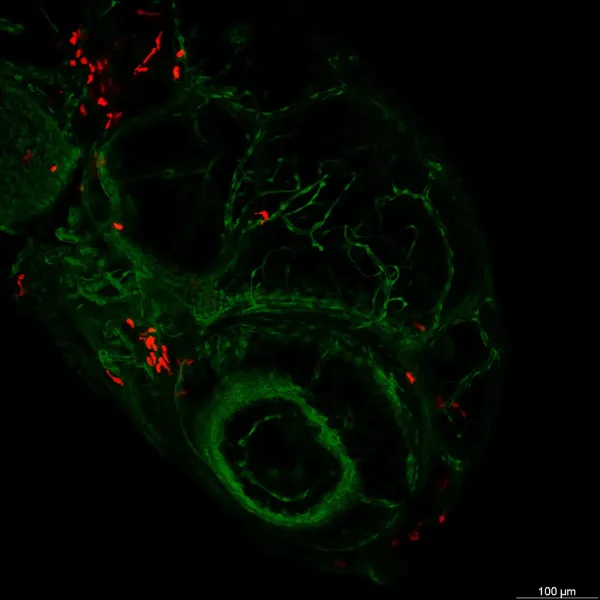
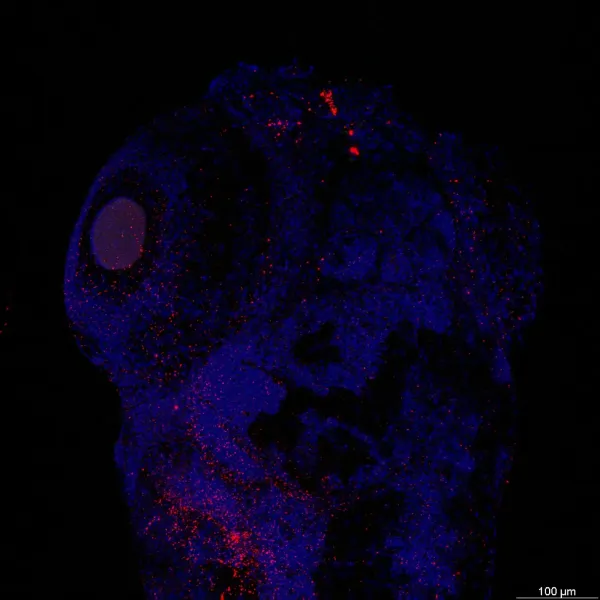
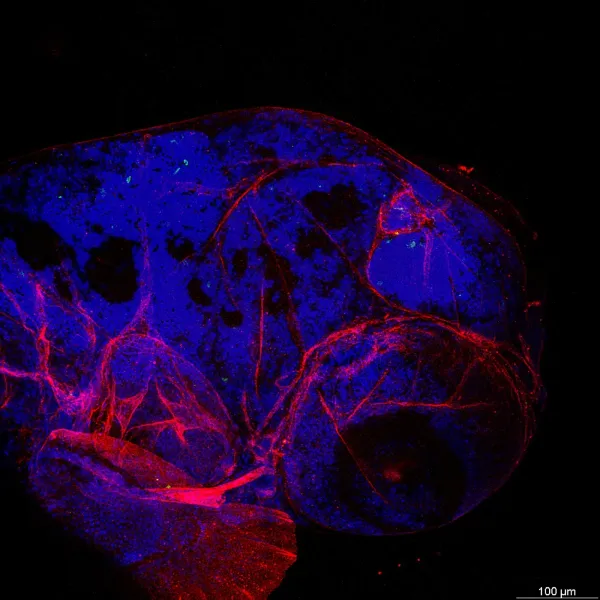
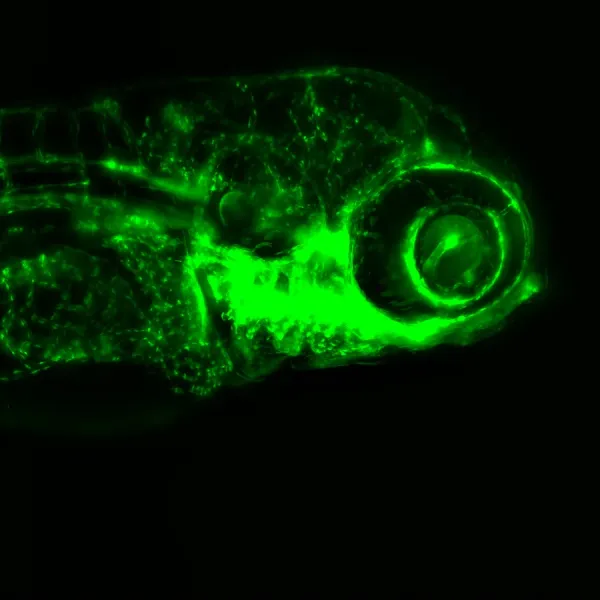
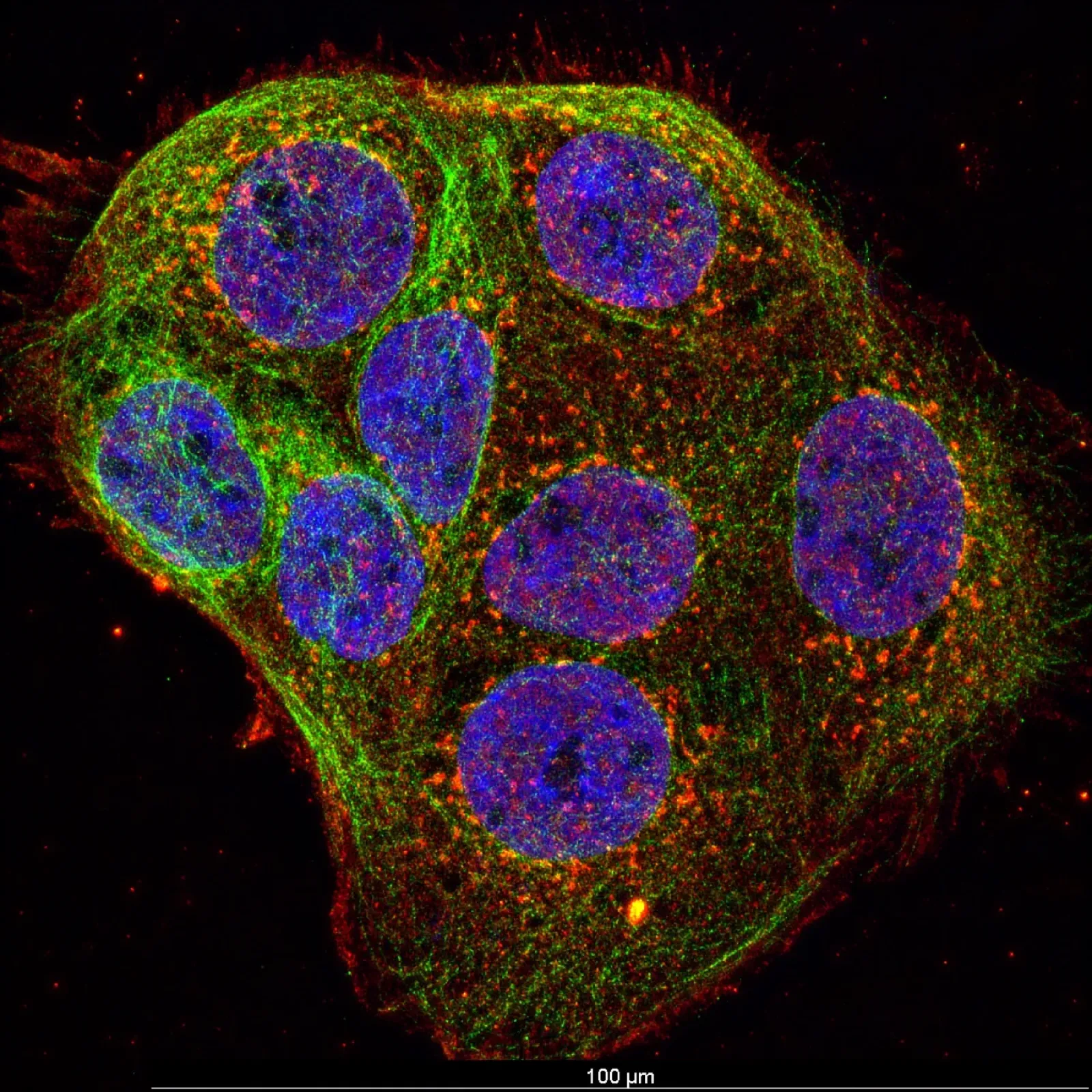
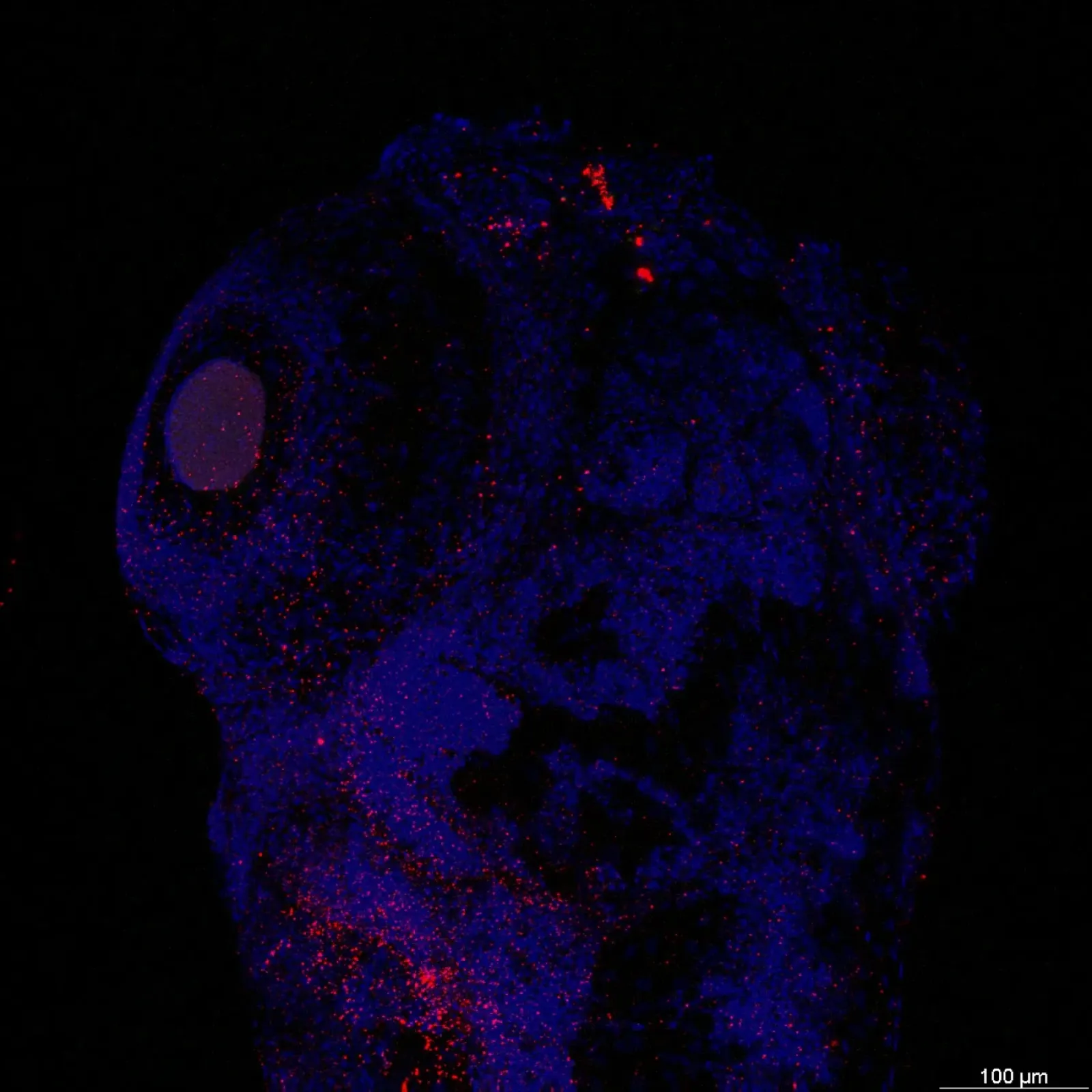
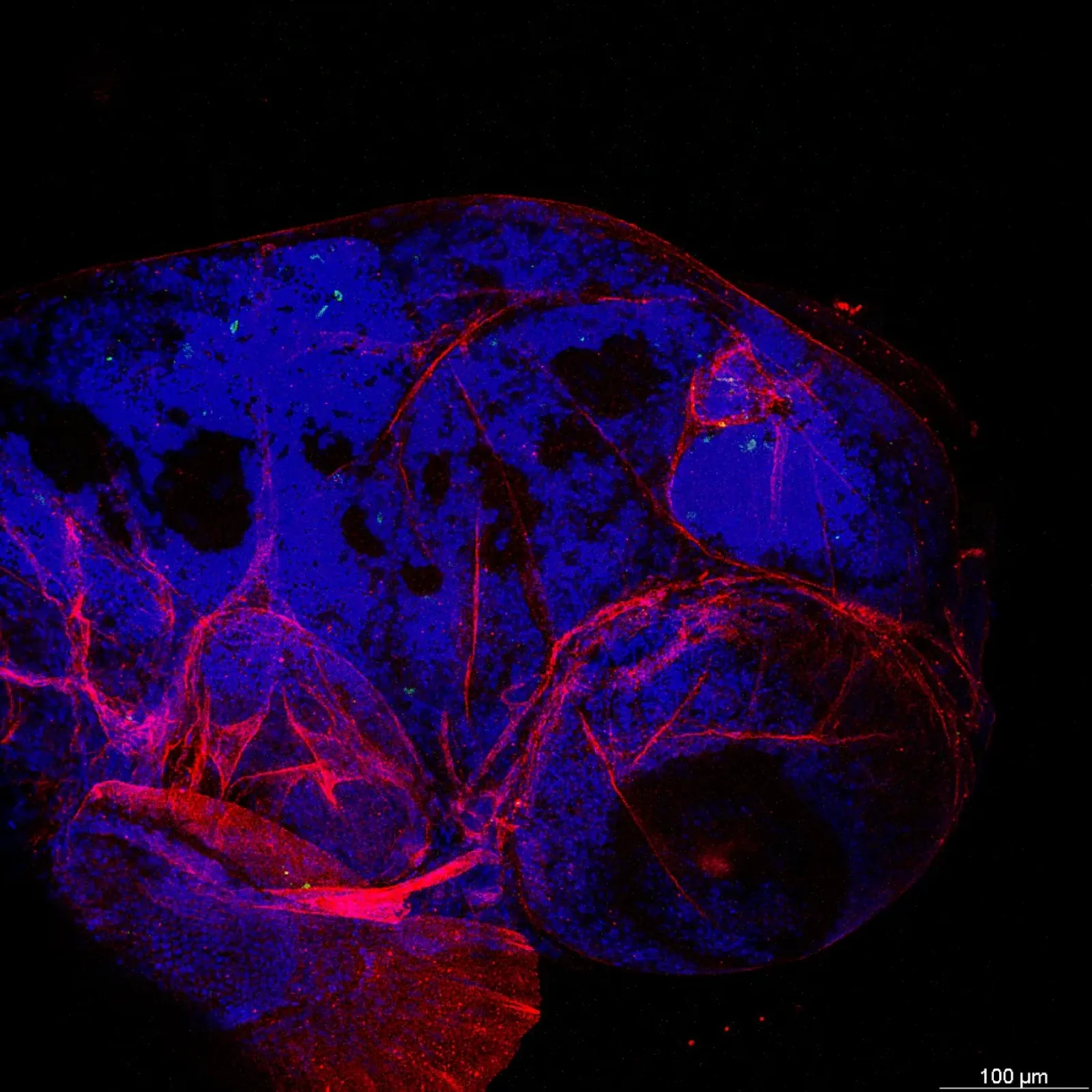
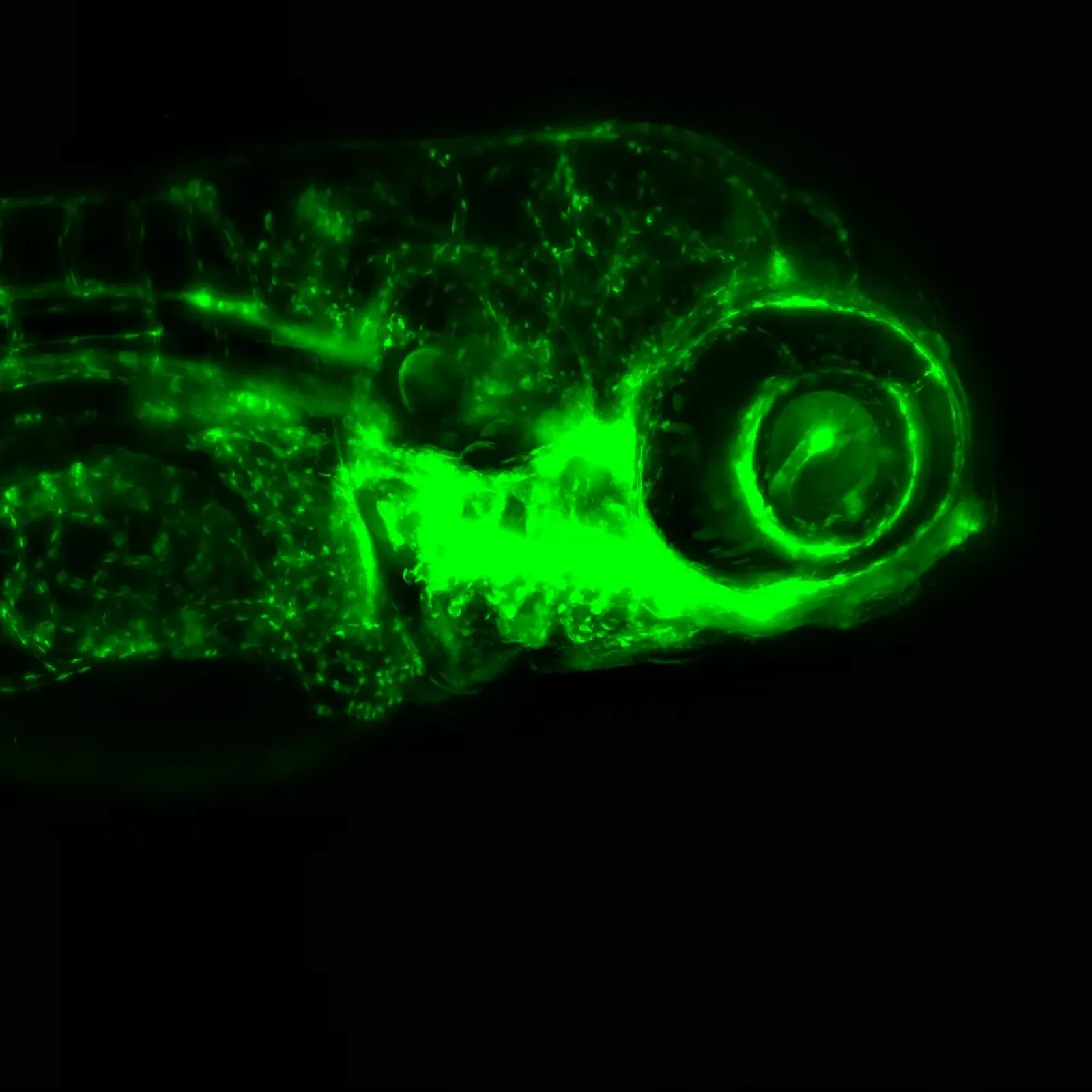
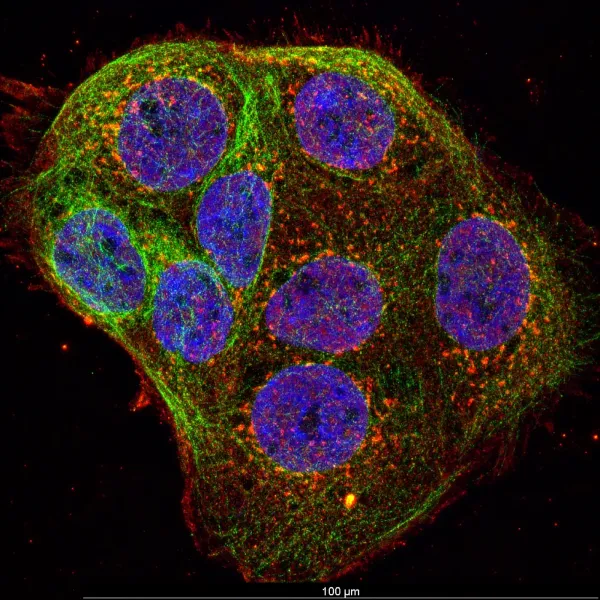
A selection of the confocal microscopy and live-imaging work behind NanoBreak. Human cell models and zebrafish embryos allow us to follow particle exposure from a single cell to a whole developing organism.
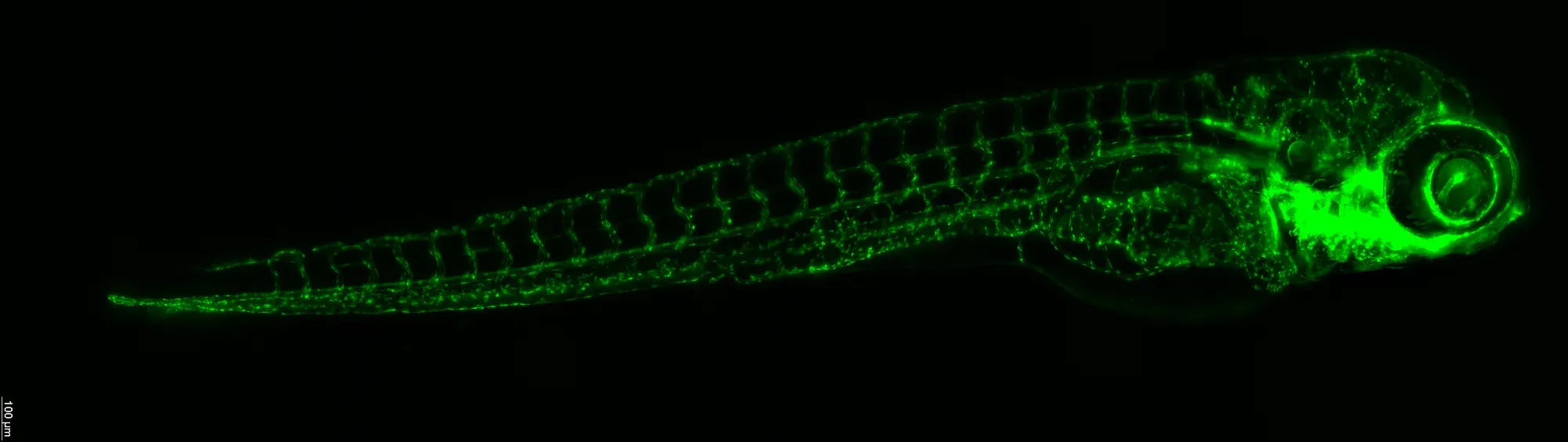
Fli1 / Lyz reporter zebrafish larva, whole-body fluorescence imaging
LPS + ATP — Confocal · 63× · LIGHTNING SVCC
LPS + ATP
Confocal · 63× · LIGHTNING SVCC
1 µm particles — Confocal · 40×
1 µm particles
Confocal · 40×
1 µm particles — Confocal · 40× · LIGHTNING SVCC
1 µm particles
Confocal · 40× · LIGHTNING SVCC
1 µm particles — Confocal · 40×
1 µm particles
Confocal · 40×
LPS — Confocal · 40× · LIGHTNING SVCC
LPS
Confocal · 40× · LIGHTNING SVCC
LPS + 50 nm nanoplastics — Confocal · 40× · LIGHTNING SVCC
LPS + 50 nm nanoplastics
Confocal · 40× · LIGHTNING SVCC
LPS + 1 µm particles — Confocal · LIGHTNING SVCC
LPS + 1 µm particles
Confocal · LIGHTNING SVCC
LPS — Confocal · LIGHTNING SVCC
LPS
Confocal · LIGHTNING SVCC
Cell culture — Confocal · LIGHTNING SVCC
Cell culture
Confocal · LIGHTNING SVCC
Larval vasculature — Confocal · LIGHTNING LVCC
Larval vasculature
Confocal · LIGHTNING LVCC
Vascular detail — Confocal · LIGHTNING SVCC
Vascular detail
Confocal · LIGHTNING SVCC
Vascular detail — Confocal · 63× zoom
Vascular detail
Confocal · 63× zoom
Larval imaging — Confocal · LIGHTNING LVCC
Larval imaging
Confocal · LIGHTNING LVCC
Larval imaging — Confocal · LIGHTNING LVCC
Larval imaging
Confocal · LIGHTNING LVCC
Larval imaging — Confocal · LIGHTNING LVCC
Larval imaging
Confocal · LIGHTNING LVCC
Fli1 / Lyz reporter zebrafish larva — head detail
Fli1 / Lyz reporter larva
Fluorescence · 20×

Zebrafish embryo development followed over 72 hours.

Confocal sequence through a Fli1 / Lyz reporter larva.